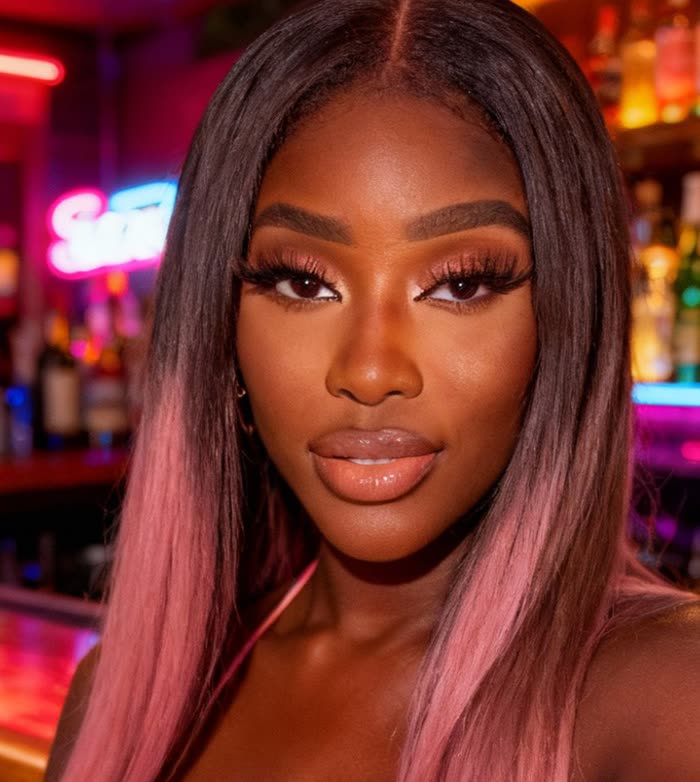
How to create an AI influencer, step by step
An AI influencer is a fictional person with a face, a life and a feed. Here is how to build one that people follow, using Nikki, a street-fitness persona, as the example.
- 1
Pick a niche you can post about every week
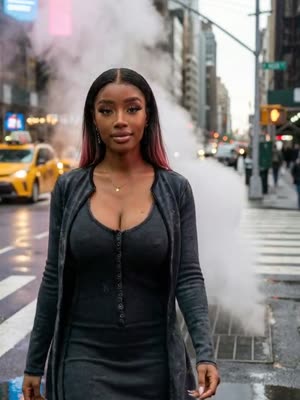
Fitness, fashion, travel, food or comedy. The niche decides what the persona does on camera. Nikki is street fitness in New York: runs, stoop workouts, bodega coffee. A narrow niche gives you story lines that repeat, which is what makes people follow.
- 2
Cast a face and lock it
Choose a face from several distinct candidates, then build a model sheet: front, side and back, full body. This is the step most people skip, and why most AI accounts look like a different woman every post.
- 3
Write the persona
Give them a city, an age, a voice and three or four story lines: things they do again and again. Nikki has the jetty run, the bodega pause, the mirror check between sets.
- 4
Plan a week, not a post
Six posts a week with two reels is a pace one person can keep up with. Put them on a calendar with times. In Allure AI the Director drafts this plan from the story lines, and you approve or change it.
- 5
Approve frames before video
Video costs the most. Look at the storyboard and every frame as a photo first, swap anything that drifted, then film. A 15-second reel is about $5 this way, and you never pay for a bad clip.
- 6
Publish and label
Upload to Instagram, TikTok or YouTube with a caption that sounds like the persona. Mark posts as AI-generated where the platform asks. Watch which story lines get saves and shares, and ask for more of those.
Questions
How much does it cost to create an AI influencer?
In Allure AI a new character costs $0.50 and a week of six posts with two reels about $14. New accounts start with $1.
Can AI influencers make money?
Yes, through brand deals, affiliate links and platform payouts, the same way human creators do, as long as the account follows each platform's rules on AI content.
Is it allowed to run an AI influencer account?
Instagram, TikTok and YouTube allow AI-generated accounts if you label AI content where asked and don't impersonate real people.